
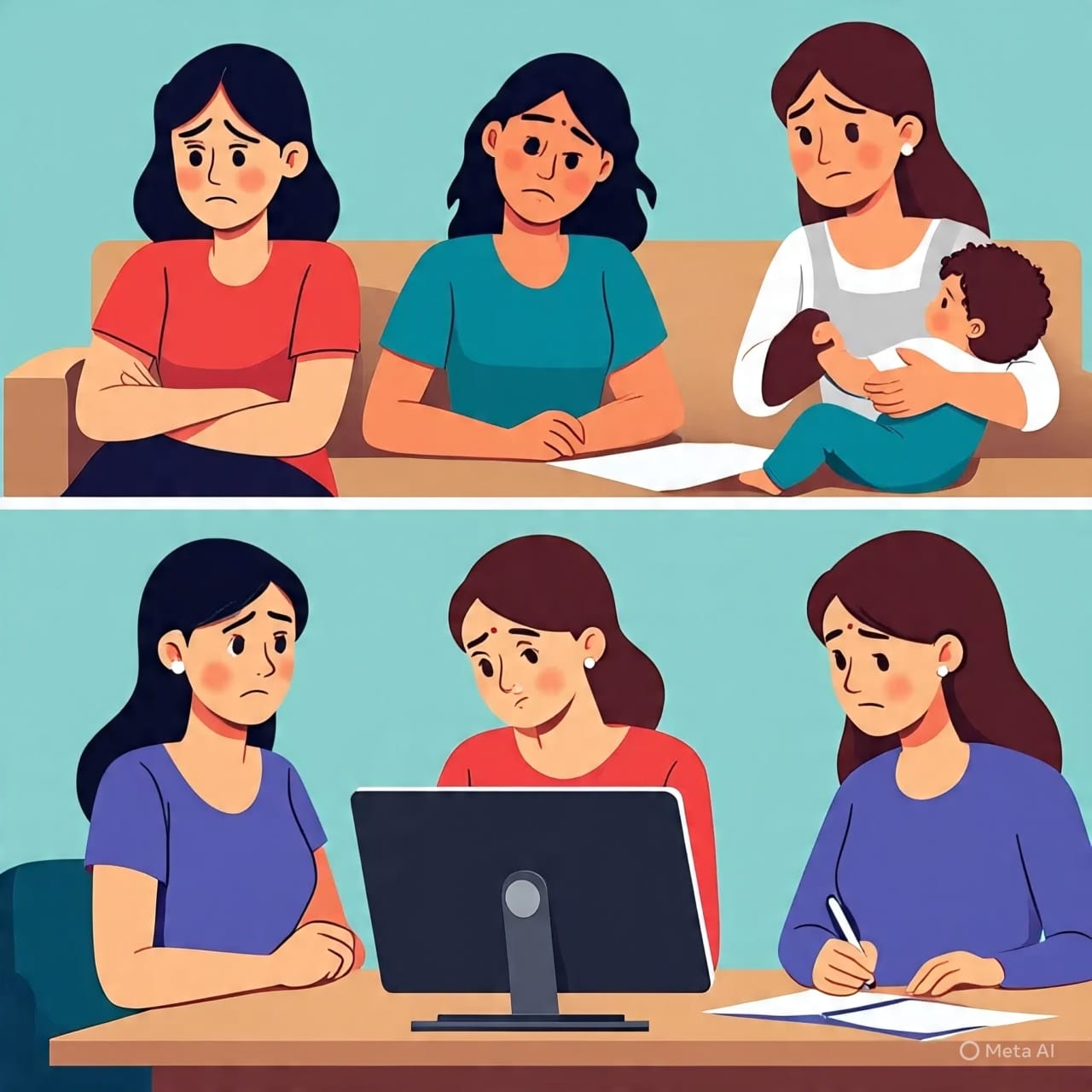
🌸 High Cortisol in Women: The Hidden Stress Behind Everyday Life
In today’s busy world, many women—working professionals and homemakers alike—manage multiple roles every day. Balancing career, family, children, household responsibilities, and social commitments can create continuous pressure.
This ongoing stress often leads to repeated release of ⚡ Cortisol – the body’s main stress hormone.
While cortisol helps us respond to challenges, constantly elevated cortisol levels can gradually affect a woman’s physical health, mental clarity, and emotional balance.
🧬 What is Cortisol?
🟣 Cortisol is a hormone produced by the adrenal glands.
It helps the body:
✔ Respond to stress
✔ Maintain energy levels
✔ Regulate metabolism
✔ Support the body's survival response
However, when stress becomes chronic, cortisol remains continuously elevated, which may disturb the body’s natural balance.
⚠️ Signs Your Cortisol May Be High
🩺 Physical Symptoms
🔴 Constant fatigue even after proper rest
🟠 Weight gain, especially around the abdomen
🟡 Sleep problems or insomnia
🟢 Frequent headaches or body aches
🔵 Hormonal imbalance and irregular periods
🟣 Increased risk of lifestyle disorders
🧠 Mental Symptoms
🧩 Brain fog or poor concentration
📉 Reduced productivity
😟 Overthinking and anxiety
📚 Difficulty focusing on tasks
💔 Emotional Symptoms
🌧 Mood swings and irritability
😔 Feeling emotionally exhausted
📌 Feeling overwhelmed by small tasks
🌪 Reduced stress tolerance
🌿 Simple Steps to Reduce Cortisol Naturally
🌞 1. Begin Your Morning Calmly
Instead of immediately checking your phone:
🧘♀️ Practice 5–10 minutes of deep breathing or meditation
🌅 Spend a moment in silence or gratitude
This helps stabilize the nervous system for the day.
🥗 2. Nourish Your Body
Skipping meals or excessive caffeine can raise cortisol levels.
✔ Eat balanced meals
✔ Include protein, healthy fats, and complex carbs
✔ Drink adequate water
🚶♀️ 3. Move Your Body Daily
Physical movement is a natural stress regulator.
Good options include:
🏃 Brisk walking
🧘 Yoga or stretching
🚴 Light exercise for 20–30 minutes daily
⏸ 4. Take Micro Breaks
Working continuously can increase stress hormone spikes.
Try the “5-Minute Reset Rule”:
✔ Stretch your body
✔ Take deep breaths
✔ Step outside for fresh air 🌿
🌙 5. Improve Sleep Quality
Sleep plays a major role in cortisol balance.
Helpful habits:
📵 Avoid screens 30–60 minutes before sleep
🕯 Maintain a regular bedtime routine
🌙 Create a calm sleep environment
💬 6. Express Your Emotions
Emotional suppression increases internal stress.
Healthy outlets include:
📖 Journaling your thoughts
👩❤️👩 Talking to a trusted person
🧘 Practicing mindfulness
🌼 Holistic Support for Stress Management
Sometimes stress patterns run deeper than daily lifestyle factors.
A personalized homoeopathic consultation focuses on understanding:
✨ Physical symptoms
✨ Emotional stress patterns
✨ Individual constitution
Homoeopathic medicines aim to stimulate the body’s natural healing response and help restore balance in mind and body.
📌 When Should You Seek Medical Advice?
Consult a healthcare professional if you experience:
⚠ Persistent fatigue
⚠ Sleep disturbances
⚠ Hormonal imbalance
⚠ Anxiety or emotional burnout
⚠ Long-term stress affecting daily life
Early care can help prevent long-term health complications.
🌸 Final Message
Stress has become a silent companion in modern life, especially for women balancing many responsibilities.
But with awareness, small lifestyle changes, emotional care, and holistic medical guidance, it is possible to restore inner balance, energy, and well-being.
✨ A healthy mind and balanced body allow women not just to manage life—but to truly thrive.
.jpeg)
Share


